

.jpg%20)

Sophia Birchinger
Sophia Birchinger ist Doctoral Researcher in der Forschungsgruppe African Intervention Politics im Programmbereich Lokale Friedensordnungen des PRIF. In ihrer Forschung beschäftigt sie sich mit Fragen der internationalen Friedenskonsolidierung, Alltags- und Subjektivierungsprozessen sowie Theorien von Zwang in den internationalen Beziehungen. Konkret nimmt Sophia Birchinger afrikanische Regionalorganisationen (AU, ECOWAS) sowie (nicht-)militärische Interventionen innerhalb der Afrikanischen Friedens- und Sicherheitsarchitektur in den Blick. Ausgehend von einer „bottom-up“-Perspektive untersucht sie in ihrem Dissertationsprojekt, wie Bürger*innen in Gambia und Guinea-Bissau die Androhung und Anwendung von Zwang in afrikanischen Friedensinterventionen erleben. // Sophia Birchinger is a Doctoral Researcher in the Research Group African Intervention Politics in PRIF's Research Department Local Peace Orders. Her research deals with questions of international peacebuilding, the everyday and theories of coercion in international relations. Specifically, Sophia Birchinger focuses on African regional organizations (AU, ECOWAS), as well as (non-)military interventions within the African Peace and Security Architecture. Taking on a bottom-up perspective, in her PhD project, she explores how citizens in The Gambia and Guinea-Bissau experience the threat and use of coercion in African peace interventions.
Latest posts by Sophia Birchinger (see all)

Patrick Flamm
Dr. Patrick Flamm ist wissenschaftlicher Mitarbeiter am PRIF im Programmbereich Internationale Sicherheit. Seine Forschung konzentriert sich auf das Verhältnis zwischen Umwelt, Frieden und Sicherheit im „Anthropozän“ sowie auf polare Geopolitik. // Dr. Patrick Flamm is a Senior Researcher at PRIF in the Research Department International Security. His research focuses on the relationship between the environment, peace and security in the “Anthropocene” as well as on polar geopolitics.
Latest posts by Patrick Flamm (see all)
- Sitting on Emperor Penguins: The Discomfort of Protecting a Peaceful Antarctica - 2. Juli 2026
- The Strait of Hormuz in Perspective: One Global Chokepoint, Multiple Vulnerabilities, Compounded Effects - 6. Mai 2026
- Jenseits der Zapfsäule: Wie der Krieg am Persischen Golf eine Energie- und Rohstoffkrise zugleich ist - 12. März 2026

Pascal Abb
Dr. Pascal Abb ist Koordinator der Forschungsgruppe „Regimewettbewerb“ und wissenschaftlicher Mitarbeiter am PRIF mit Schwerpunkt China. Er betreibt aktuell ein Forschungsprojekt zu den Auswirkungen der Belt-and-Road-Initiative auf Konfliktstaaten. // Dr Pascal Abb is Coordinator of the Research Group “Regime Competition” and Senior Researcher at PRIF with a focus on China. He is currently conducting a research project on the impact of the Belt and Road Initiative on conflict states.
Latest posts by Pascal Abb (see all)
- The Strait of Hormuz in Perspective: One Global Chokepoint, Multiple Vulnerabilities, Compounded Effects - 6. Mai 2026
- Korea nach dem Putschversuch. Mit Neuwahlen aus der politischen Krise? - 19. Mai 2025
- Es stehen nicht nur Exporte auf dem Spiel: der US-chinesische Handelskrieg und seine friedenspolitischen Konsequenzen - 9. April 2025

Mariam Al-Wally
Mariam Al-Wally is a Master’s student in Peace and Conflict Studies at Goethe University Frankfurt and a Research Assistant in the Research Department International Security at PRIF, where she contributes to the EU Non-Proliferation and Disarmament Consortium. Her research focuses on arms control, nuclear disarmament, and non-proliferation, with a particular interest in the MENA region.
Latest posts by Mariam Al-Wally (see all)

Jonas J. Driedger
Dr. Jonas J. Driedger ist Researcher im Programmbereich Internationale Institutionen am PRIF, am Forschungszentrum Transformations of Political Violence (TraCe) und Mitglied der Forschungsgruppen Regimewettbewerb und der Loewe-Gruppe. Er forscht zu zwischenstaatlichen Kriegen, Abschreckung in den internationalen Beziehungen, Beziehungen zwischen Großmächten und ihren Nachbarstaaten sowie russischer und transatlantischer Sicherheits- und Verteidigungspolitik. // Dr. Jonas J. Driedger is a Researcher at the Research Department International Institutions at PRIF, at the Research Center Transformations of Political Violence (TraCe) and a member of the Research Groups Regime Competition and the LOEWE Group (Prof. Deitelhoff). His research focuses on interstate wars, deterrence in international politics, relations between great powers and their neighboring states as well as Russian and transatlantic security and defense policy.
Latest posts by Jonas J. Driedger (see all)
- Ripeness Theory and the Russia-Ukraine War - 9. September 2026
- The Strait of Hormuz in Perspective: One Global Chokepoint, Multiple Vulnerabilities, Compounded Effects - 6. Mai 2026
- Krieg und Frieden vorhersagen? Möglichkeiten und Grenzen wissenschaftlicher Prognosen zum Ukraine-Krieg und der Rolle Trumps - 25. März 2026

Sandra Kebede
Sandra Kebede absolviert ein Masterstudium in Internationalen Studien / Friedens- und Konfliktforschung an der Goethe-Universität Frankfurt und arbeitet als studentische Mitarbeiterin in der Forschungsgruppe „African Intervention Politics“. Ihre Forschung befasst sich mit afrikanischen Friedens- und Konfliktdynamiken, wobei ihr besonderes Interesse den Themen Intervention, Governance und der Rolle von Technologie und Infrastruktur bei der Gestaltung der politischen Ordnung gilt. // Sandra Kebede is pursuing a Master's degree in International Studies / Peace and Conflict Studies at Goethe University Frankfurt, and works as a Research Assistant in the Research Group African Intervention Politics. Her research focuses on African peace and conflict dynamics, with a particular interest in intervention, governance, and the role of technology and infrastructure in shaping political order.
Latest posts by Sandra Kebede (see all)

Hilda Koyier
Hilda Koyier is a Researcher with the African Intervention Politics Research Group, part of the Research Department on Local Peace Orders, and has an academic background in security and migration studies. She is also part of the African Non-Military Conflict Interventions Practices (ANCIP) Competence Network, where her project examines the role of AU Liaison Offices and ECOWAS representation Offices in Conflict Intervention Processes, through a practice lens. She has a keen interest in studying both the military and non-military conflict intervention strategies of international and regional bodies such as the AU, ECOWAS, SADC, IGAD; the EU and UN. Her other research interests revolve around Post conflict reconstruction and development as well as the nexus between international migration flows and border control policies.
Latest posts by Hilda Koyier (see all)
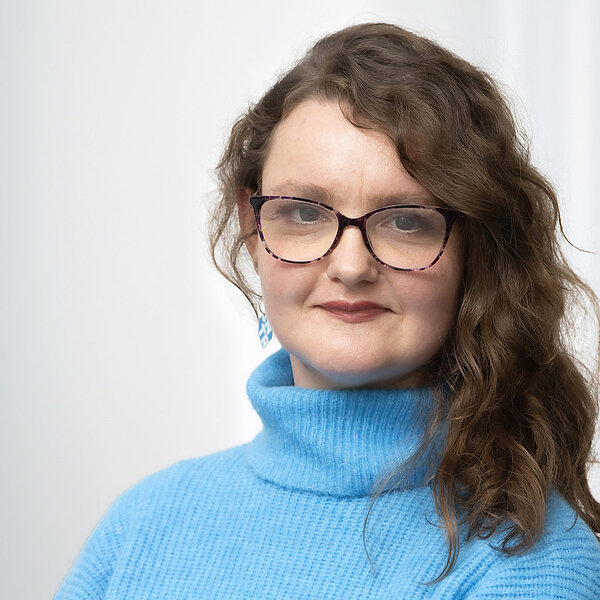
Sarah McKee
Dr. Sarah McKee ist Researcher im Programmbereich Internationale Sicherheit und in der Forschungsgruppe Science for Nuclear Diplomacy am PRIF. Zu ihren Forschungsinteressen gehören der elektromagnetische Puls in großer Höhe, die doppelte Nutzung von Nukleartechnologien im Weltraum, Trägersysteme für Nuklearwaffen im Weltraum, das Verhalten von Satelliten im Orbit und die Abfrage von Nutzlasten im Orbit. // Dr. Sarah McKee is a Researcher in the Research Department International Security and the Science for Nuclear Diplomacy Research Group at PRIF. Her research interests include nuclear high-altitude electromagnetic pulse, the dual use of nuclear technologies in space, space nuclear weapon delivery systems, orbital behaviours of satellites and the interrogation of orbital payloads.
Latest posts by Sarah McKee (see all)

Sidney Michelini ist Researcher in der Forschungsgruppe Ökologie, Klima und Konflikt und im Programmbereich Internationale Sicherheit am PRIF. Seine Forschung konzentriert sich auf die Beziehung zwischen Klima, Klimawandel und Gewalt. // Sidney Michelini is a Researcher in the Research Group Ecology, Climate, and Conflict and in the Research Department International Security at PRIF. His research focuses on the relationship between climate, climate change, and violence.
Latest posts by Sidney Michelini (see all)

Dr. Dirk Peters ist Senior Researcher im Programmbereich Internationale Institutionen. Seine Forschungsschwerpunkte sind die Entflechtung zwischen Staaten, die sicherheitspolitische Rolle von Parlamenten sowie die Verteidigungspolitik der EU. // Dr. Dirk Peters is a Senior Researcher at PRIF's Research Department International Institutions. His research focuses on decoupling in inter-state relations, on the role of parliaments in security policy and on the EU’s defense policy.
Latest posts by Dirk Peters (see all)
- The Strait of Hormuz in Perspective: One Global Chokepoint, Multiple Vulnerabilities, Compounded Effects - 6. Mai 2026
- Sicherheit, die uns unsicher macht: Die neue Selbstverständlichkeit der Machtpolitik - 16. März 2026
- Von Verflechtung zu Koexistenz: Abgrenzung als Friedensstrategie nach dem Krieg gegen die Ukraine? - 4. Dezember 2024

Jean-Baptiste Sebgo
Jean-Baptiste Sebgo ist Forscher im Bereich der KI-gestützten Konfliktszenarioplanung (JOSHUA-Projekt) am PRIF. Zu seinen Forschungsschwerpunkten zählen neue disruptive Technologien, Reform des Sicherheitssektors (SSR), Sicherheitspolitik, Bürgerkriege und innerstaatliche Konflikte. Zu seinem beruflichen Werdegang gehören frühere Tätigkeiten bei den Vereinten Nationen und der Internationalen Arbeitsorganisation. Darüber hinaus war er als Berater für geopolitische Risiken für verschiedene private und öffentliche Institutionen tätig. // Jean-Baptiste Sebgo is a researcher in AI-Based Conflicts Scenario Planning (JOSHUA project) at PRIF. His research interests include emerging disruptive technologies, SSR, security policy, civil wars, and intra-state conflicts. His professional background includes previous employment with the United Nations and the International Labour Organization. In addition, he has served as a geopolitical risk consultant for a variety of private and public institutions.
Latest posts by Jean-Baptiste Sebgo (see all)

Hendrik Simon
Hendrik Simon ist assoziierter Forscher im Programmbereich Internationale Institutionen und wissenschaftlicher Koordinator sowie Projektleiter am Forschungsinstitut Gesellschaftlicher Zusammenhalt (FGZ) in Frankfurt. Er forscht zu Normen in der internationalen Politik und der Rolle des Völkerrechts. // Hendrik Simon is an Associate Fellow at PRIF’s Research Department International Institutions and academic coordinator as well as Principal Investigator at the Research Institute Social Cohesion (RISC) in Frankfurt. He researches norms in international politics and the role of international law.
Latest posts by Hendrik Simon (see all)
- The Strait of Hormuz in Perspective: One Global Chokepoint, Multiple Vulnerabilities, Compounded Effects - 6. Mai 2026
- Frieden oder Sicherheit? Für ein „Mehr“ in den öffentlichen Debatten über den Ukraine-Krieg - 15. Januar 2025
- A Gap between Social and Ecological Rights: A Commentary after One Year of the German Supply Chain Due Diligence Act - 4. April 2024

Madita Standke-Erdmann is a PhD candidate at King’s College London and an associate researcher with PRIF. She works on feminist and postcolonial approaches to international relations and international political sociology with a focus on foreign policy, colonial history, and security. Previously, she was a researcher at the University of Vienna. She also worked in the NGO-sector on international gender equality and feminist foreign policy. She is part of the Network 1325, a group of civil society organizations, activists and scholars who advocate for the WPS Agenda in the German Foreign Office. // Madita Standke-Erdmann ist Doktorandin am King’s College London und assoziierte Forscherin am PRIF. Sie beschäftigt sich mit feministischen und postkolonialen Ansätzen in den internationalen Beziehungen und der internationalen politischen Soziologie mit den Schwerpunkten Außenpolitik, Kolonialgeschichte und Sicherheit. Zuvor war sie als Wissenschaftlerin an der Universität Wien tätig. Außerdem arbeitete sie im NGO-Bereich zu den Themen internationale Geschlechtergleichstellung und feministische Außenpolitik. Sie ist Mitglied des Netzwerks 1325, einer Gruppe von zivilgesellschaftlichen Organisationen, Aktivist*innen und Wissenschaftler*innen, die sich im Auswärtigen Amt für die WPS-Agenda einsetzen.
Latest posts by Madita Standke-Erdmann (see all)
- Student Protests in Delhi and India 2026: Gen-Z’s Frustration and Fight for Reforms - 5. August 2026
- The Strait of Hormuz in Perspective: One Global Chokepoint, Multiple Vulnerabilities, Compounded Effects - 6. Mai 2026
- 25 Years of Women, Peace and Security: Envisioning A Future by Centering on Hope - 18. Februar 2026

Christin Stühlen ist Doctoral Researcher im Programmbereich Innerstaatliche Konflikte am PRIF. In ihrer Arbeit konzentriert sie sich auf die Auswirkungen des Kohleausstiegs und der Energiewende auf Gemeinschaften und Arbeiter*innen in Bosnien und Herzegowina sowie Serbien. // Christin Stühlen is a Doctoral Researcher at PRIFS's Research Department Intrastate Conflict. In her work, she focuses on the effects of the coal-phase out and the energy transition on communities and workers in Bosnia and Herzegovina and Serbia.
Latest posts by Christin Stühlen (see all)
- The Strait of Hormuz in Perspective: One Global Chokepoint, Multiple Vulnerabilities, Compounded Effects - 6. Mai 2026
- Thirty Years of Onion Politics: Bosnia and Herzegovina on the 30th anniversary of the Dayton Peace Agreement - 11. Dezember 2025
- Uprisings in Serbia. Struggle(s) against a resilient regime - 21. März 2025

Mina Trpkovic
Mina Trpkovic ist wissenschaftliche Mitarbeiterin und Doktorandin in der LOEWE-Gruppe und im Programmbereich Internationale Institutionen am PRIF. Ihr Forschungsinteresse liegt an der Schnittstelle zwischen Internationalen Beziehungen, politischer Kommunikation und politischer Psychologie. Dabei untersucht sie insbesondere die Auswirkungen von Desinformationen auf die europäische Sicherheitsordnung. // Mina Trpkovic is a Doctoral Researcher in the LOEWE group and at PRIF’s Research Department International Institutions. Her research interests lie at the intersection between IR, political communication, and political psychology. In particular, she analyzes the effects of disinformation on the European security order.
Latest posts by Mina Trpkovic (see all)
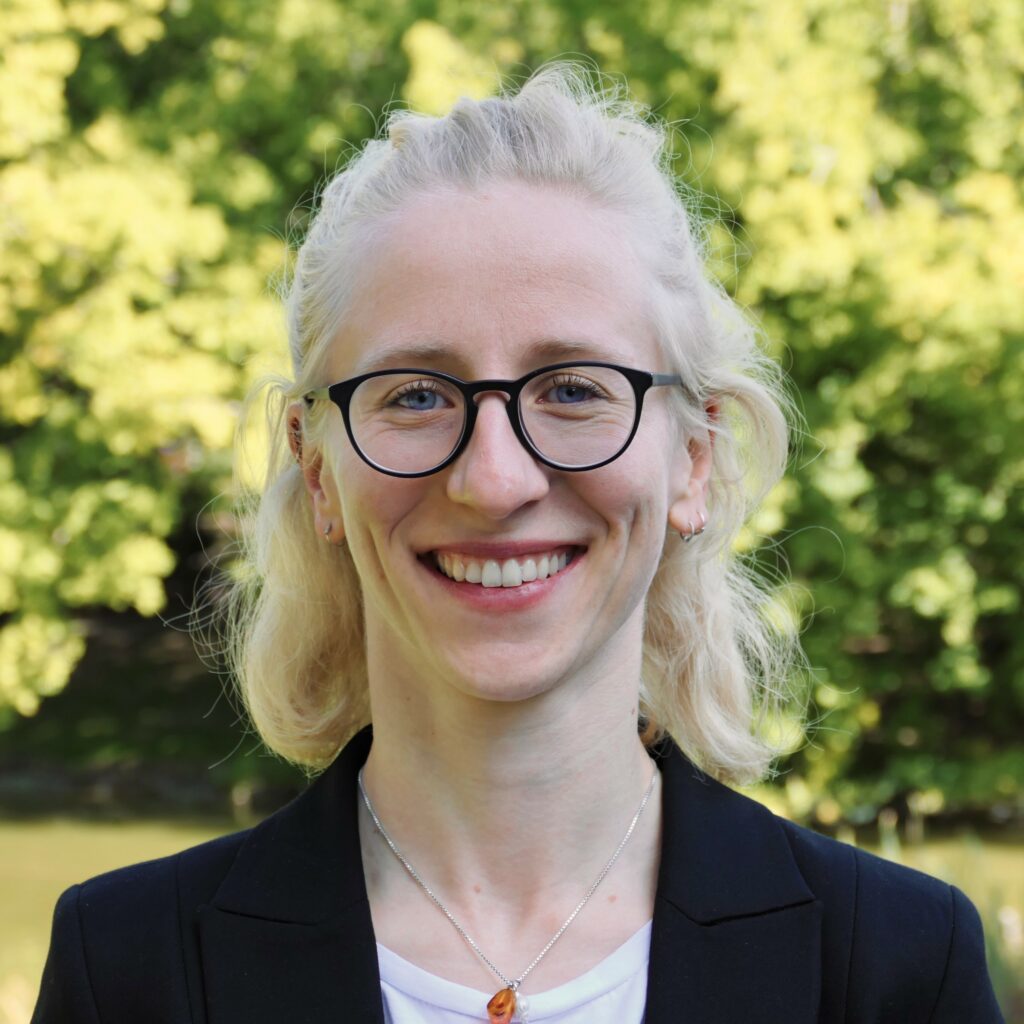
Skollan Elisabeth Warnck
Skollan Elisabeth Warnck ist Researcher im Programmbereich Lokale Friedensordnung und Teil der Forschungsgruppe African Intervention Politics. In ihrer Forschung konzentriert sie sich auf (nicht-)militärische Interventionen afrikanischer Regionalorganisationen und deren Sichtbarmachung in einer Datenbank. Zu ihren Forschungsinteressen zählen African peace and security, conflict management, archival work and practice, text-data driven approaches, data modeling for database design, and feminist methodologies. // Skollan Elisabeth Warnck is a Researcher in the Research Department Local Peace Orders and is part of the Research Group African Intervention Politics. Her research focuses on (non-)military interventions of African regional organizations and their reconstruction in a database. Her research interests include African peace and security, conflict management, archival work and practice, text-data-driven appraoches, data modeling for database design, and feminist methodologies.
Latest posts by Skollan Elisabeth Warnck (see all)

Dr. Antonia Witt ist wissenschaftliche Mitarbeiterin und Leiterin der Forschungsgruppe African Intervention Politics im Programmbereich Lokale Friedensordnungen am PRIF, wo sie zu afrikanischen Regionalorganisationen und zur Afrikanische Friedens- und Sicherheitsarchitektur forscht. // Dr. Antonia Witt is a Senior Researcher and Leader of the Research Group African Intervention Politics at PRIF’s Research Department Local Peace Orders where she is working on African regional organizations and the African Peace and Security Architecture.
Latest posts by Antonia Witt (see all)
- The Strait of Hormuz in Perspective: One Global Chokepoint, Multiple Vulnerabilities, Compounded Effects - 6. Mai 2026
- Just Lay People’s Views? Learning from citizen perspectives for people-centered peace and security governance - 16. Dezember 2025
- Cohérence politique pour la paix dans l’engagement allemand au Mali et au Niger ? Cinq recommandations d’action pour le gouvernement allemand - 8. September 2022

Yaolong Xian
XIAN Yaolong ist Doktorand am Programmbereich Innerstaatliche Konflikte. Seine Forschung konzentriert sich auf die Regierungsführung von Rebellen, die Beziehungen zwischen Staat und Rebellen und die Legitimität in Konfliktsituationen, mit einem geografischen Schwerpunkt auf Myanmar. // XIAN Yaolong is a Doctoral Researcher at PRIF. His research focuses on rebel governance, state-rebel relations, and legitimacy in conflict settings, with a geographic focus on Myanmar.
Latest posts by Yaolong Xian (see all)
- The Strait of Hormuz in Perspective: One Global Chokepoint, Multiple Vulnerabilities, Compounded Effects - 6. Mai 2026
- Staging Law & Order: Public Trials and Rebel Legitimacy in Northern Myanmar - 9. März 2026
- How Crisis Crosses Borders: Myanmar’s Civil War Shattered a Chinese Border Boomtown - 14. Mai 2025